
Minnesota Homeowner's Guide to Storm Damage Claims
A step-by-step walkthrough of how roof storm damage claims work in Minnesota -- filing deadlines, adjuster visits, supplements, and what to expect at each stage. For the inspection and repair work itself, see our storm damage restoration service.
Storm Damage Warning Signs
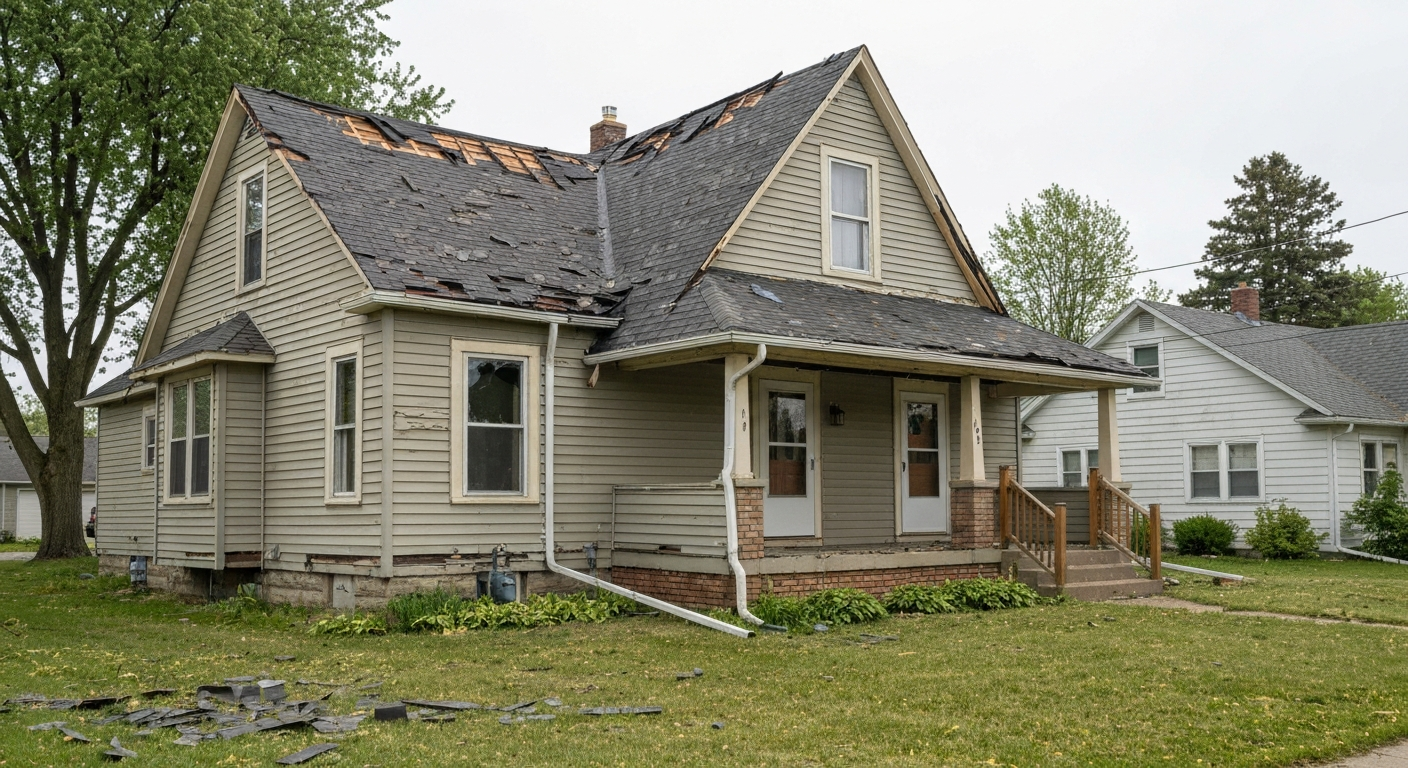
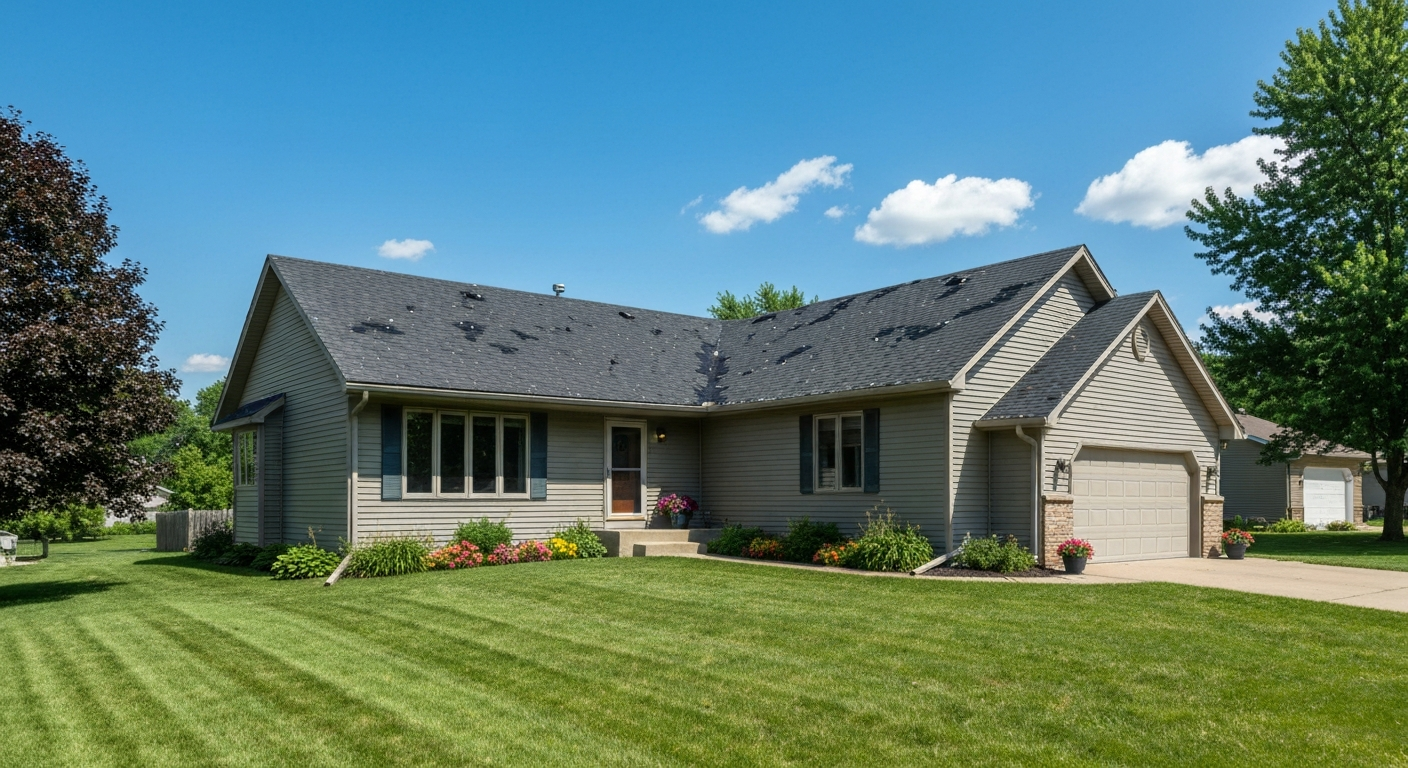
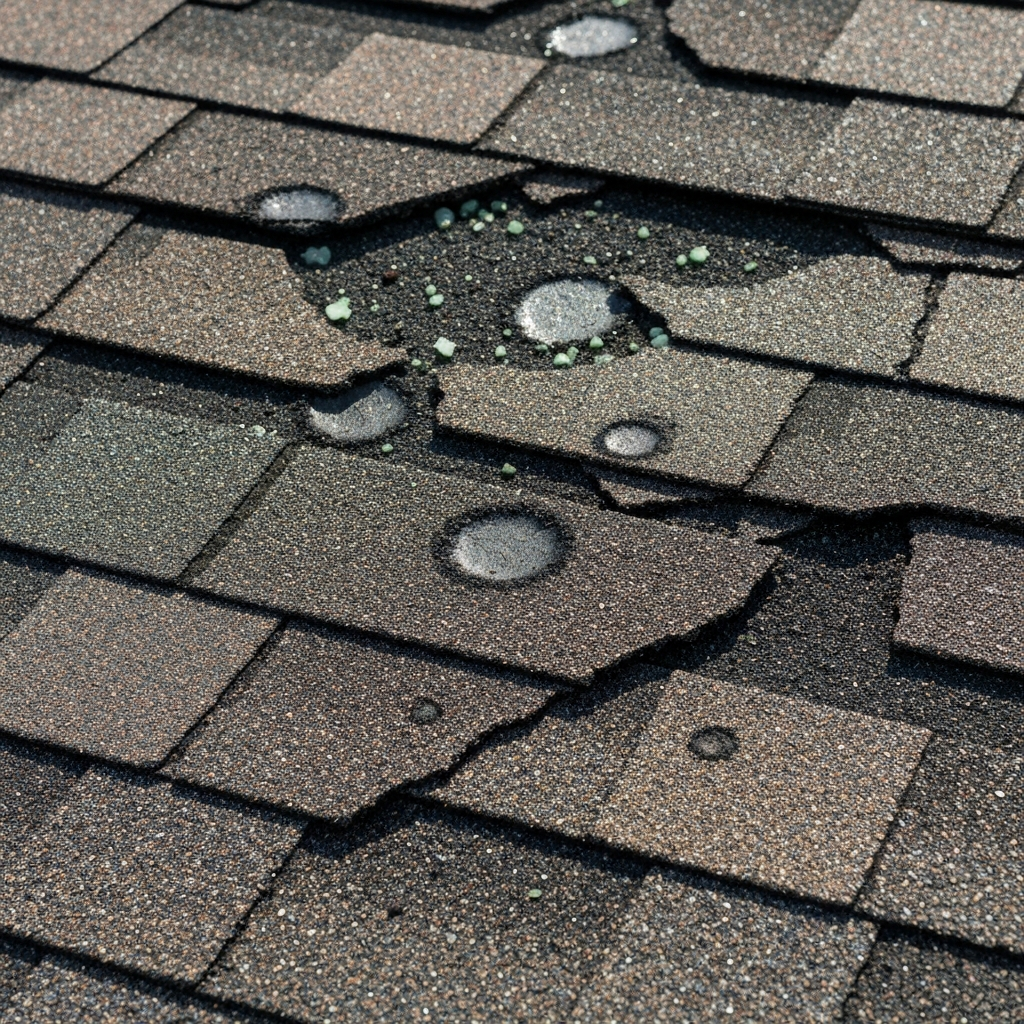
After a severe Minnesota storm, it's important to look for signs of damage. Hail damaged shingles, lifted shingles, wind damaged roofing, damaged gutters, and siding storm damage are all indicators that your exterior systems may have been compromised.
- Hail damaged shingles
- Lifted or missing shingles
- Wind damaged roofing
- Damaged gutters
- Siding storm damage
Protecting Yourself After Storm Damage
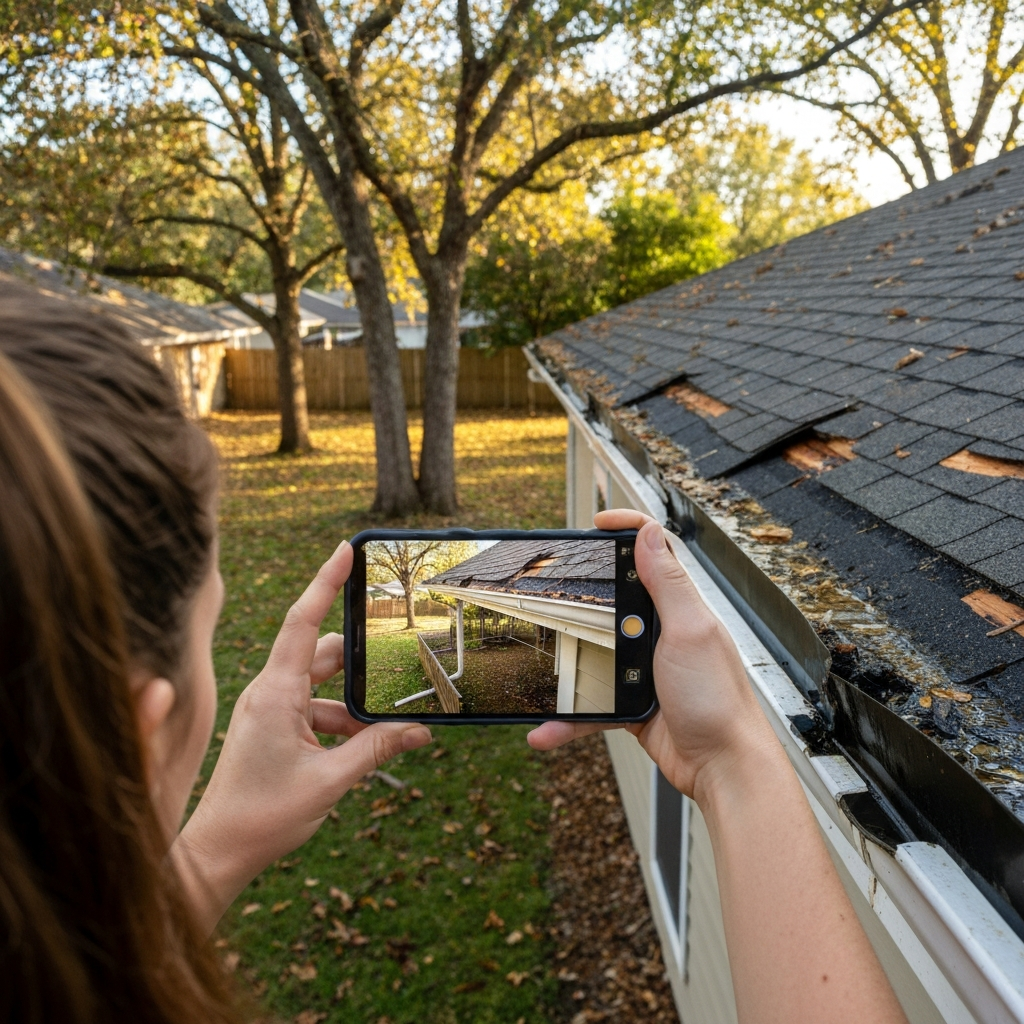
Safety comes first. Document the storm damage from the ground level. Take exterior photos and review storm concerns safely without climbing onto the roof. Documenting damage immediately helps with the claims process.
What To Do After Storm Damage
The next step is scheduling a professional roofing inspection. A qualified contractor will examine roof damage, perform a thorough storm damage assessment, and document findings to help you understand the true condition of your property. Ready to have the damage inspected and restored? See our storm damage restoration service.

Understanding Insurance Adjusters
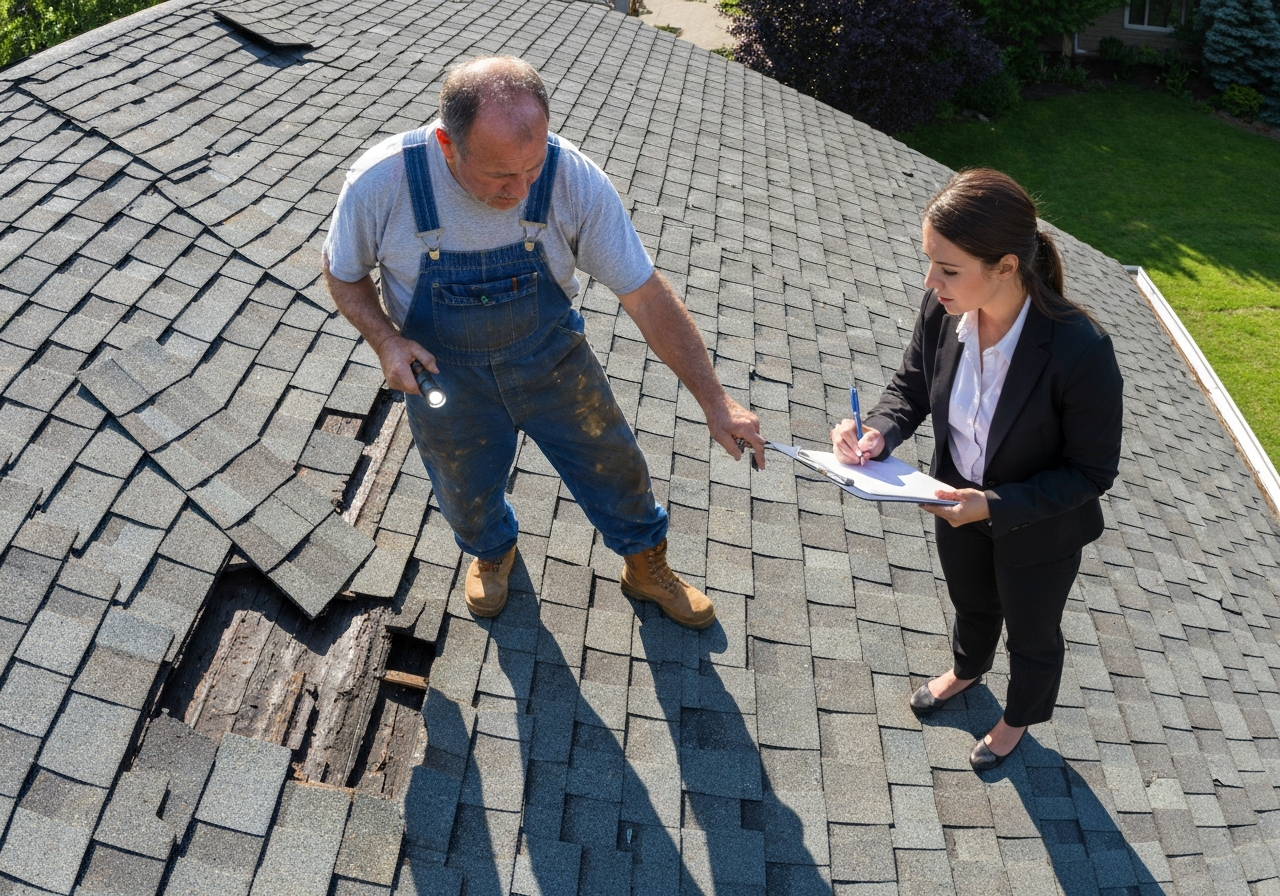
When your insurance adjuster arrives for a field inspection, having your contractor present can be beneficial. They can review the roof together and ensure all storm-related damage is properly documented during the inspection scene.
Claim Approvals & Hidden Damage
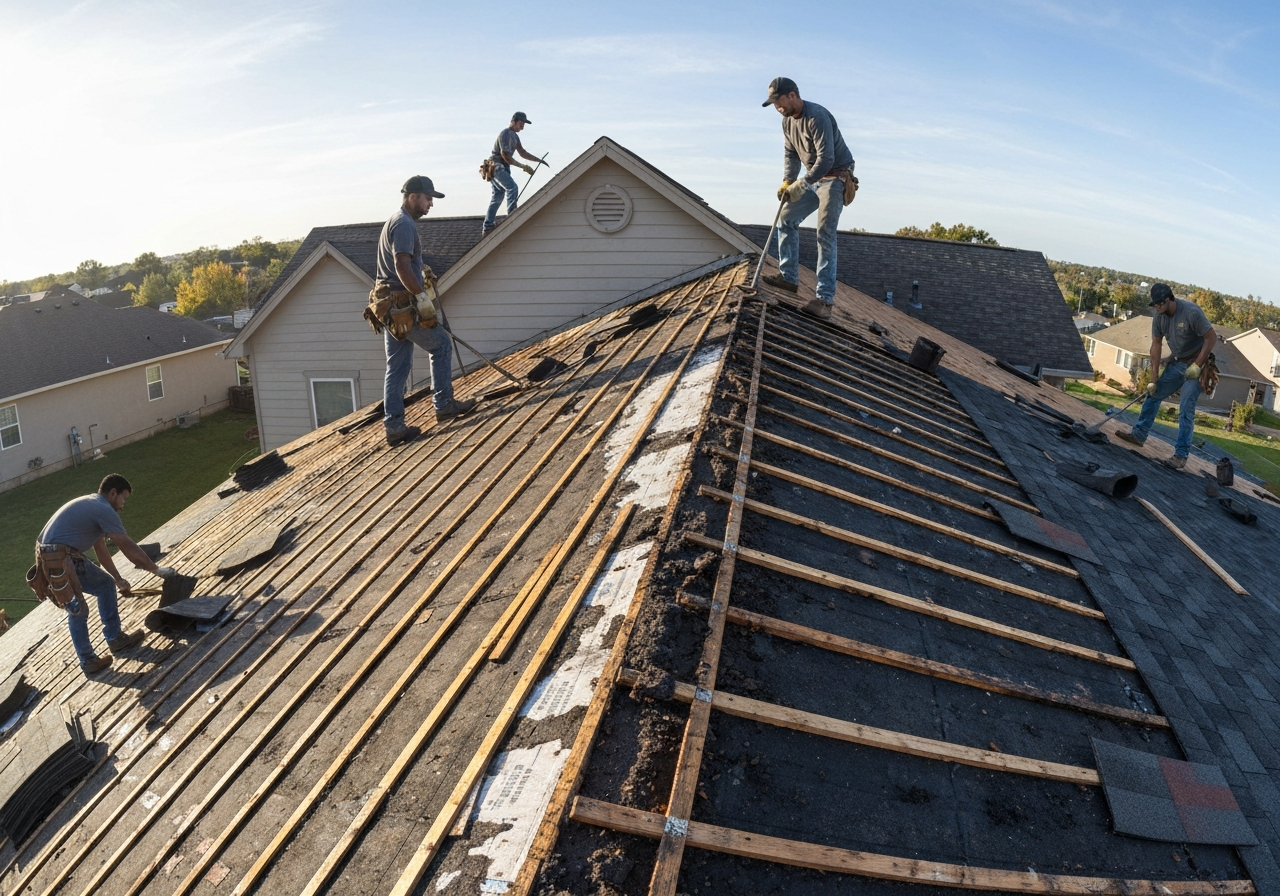
Even after a claim is approved, hidden damage may be discovered during the roof tear-off. Issues like rotten wood replacement, damaged underlayment layers, and exposed roof decking problems must be addressed to ensure a quality restoration.
Minnesota Weather & Restoration Timing
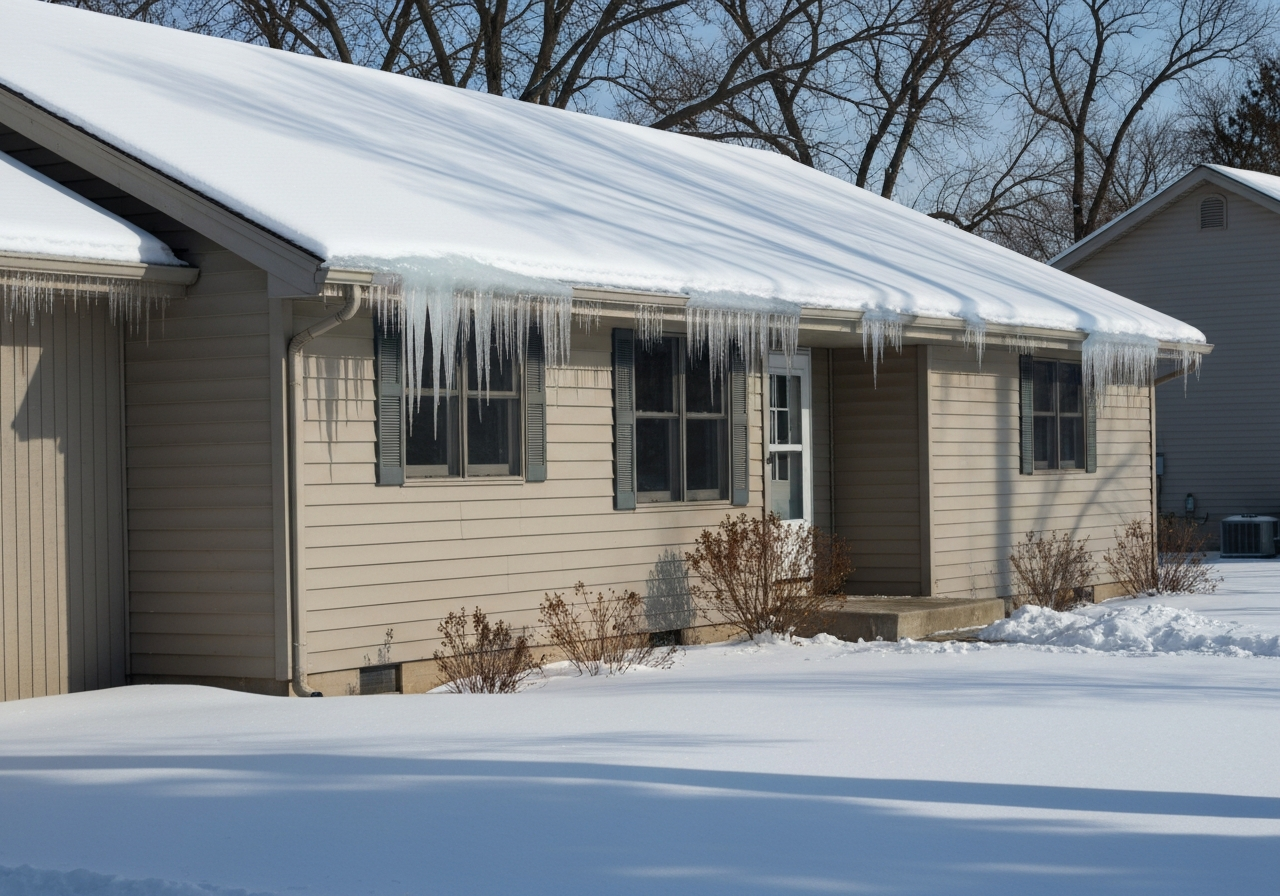
Minnesota weather dictates restoration timing. Winter roofing work, ice dams, freeze/thaw cycles, and snow-covered roofs mean that timing your restoration correctly is crucial for modest Minnesota homes.
Common Insurance Claim Questions
CM Roofing LLC helps Minneapolis and Twin Cities homeowners navigate storm damage claims from first call to final inspection.
How long do Minnesota homeowners typically have to file a storm damage insurance claim?
Not sure how much time you actually have before it's too late? Most Minnesota homeowners policies require claims to be filed within one year of the storm event, though some carriers allow up to two years. Filing sooner is always better, since waiting too long can give your insurer grounds to deny coverage even when the damage is legitimate.
Will filing a storm damage claim raise my homeowners insurance rates in Minnesota?
Worried that filing will cost you more in the long run? Weather-related claims like hail and wind are generally treated differently than at-fault claims by most carriers, and many Minnesota homeowners see no rate increase after a single storm damage claim, especially a first one. Every policy is different, so it's worth asking your agent directly, but ignoring real, documented damage almost always costs more than the claim itself would.
What happens if the insurance adjuster misses damage on my roof?
Worried the first assessment might not catch everything? It happens more than most homeowners realize. If you believe damage was missed, you have the right to request a reinspection or hire a public adjuster. Having a roofing contractor present during the adjuster visit helps ensure nothing is overlooked, and documenting all findings in detail gives you a clear record to reference if a dispute arises.
Can I choose my own roofing contractor for an insurance claim project in Minnesota?
Assuming you have to use whoever your insurance company recommends? You don't. In Minnesota, you have the legal right to choose your own licensed roofing contractor regardless of who your insurance company suggests, and insurance companies cannot require you to use a preferred vendor.
What should I do if my insurance settlement does not cover the full cost of roof replacement?
Stuck with a settlement that seems too low? Don't automatically accept the first offer as final. If the scope of work or pricing seems low, a supplement can often be filed with additional documentation from your contractor to close that gap, and detailed damage reports help make sure nothing was left out of the original assessment.
