

Minnesota Roof Maintenance Checklist
For Every Season
Protect your roof, gutters, siding and exterior systems year-round with seasonal maintenance guidance designed specifically for Minnesota weather.
Spring Roof Maintenance Checklist

Spring Checklist
Why Spring Matters
Winter damage often becomes visible during the spring thaw. The extreme cold, heavy snow, and expanding ice can loosen shingles, damage flashing, and warp gutters. As the snow melts, these vulnerabilities can quickly turn into interior leaks during spring rain showers.
Common Mistake: Homeowners often assume their roof survived the winter unharmed because there are no visible leaks yet, delaying necessary preventative roof repairs.
Summer Roof Maintenance Checklist
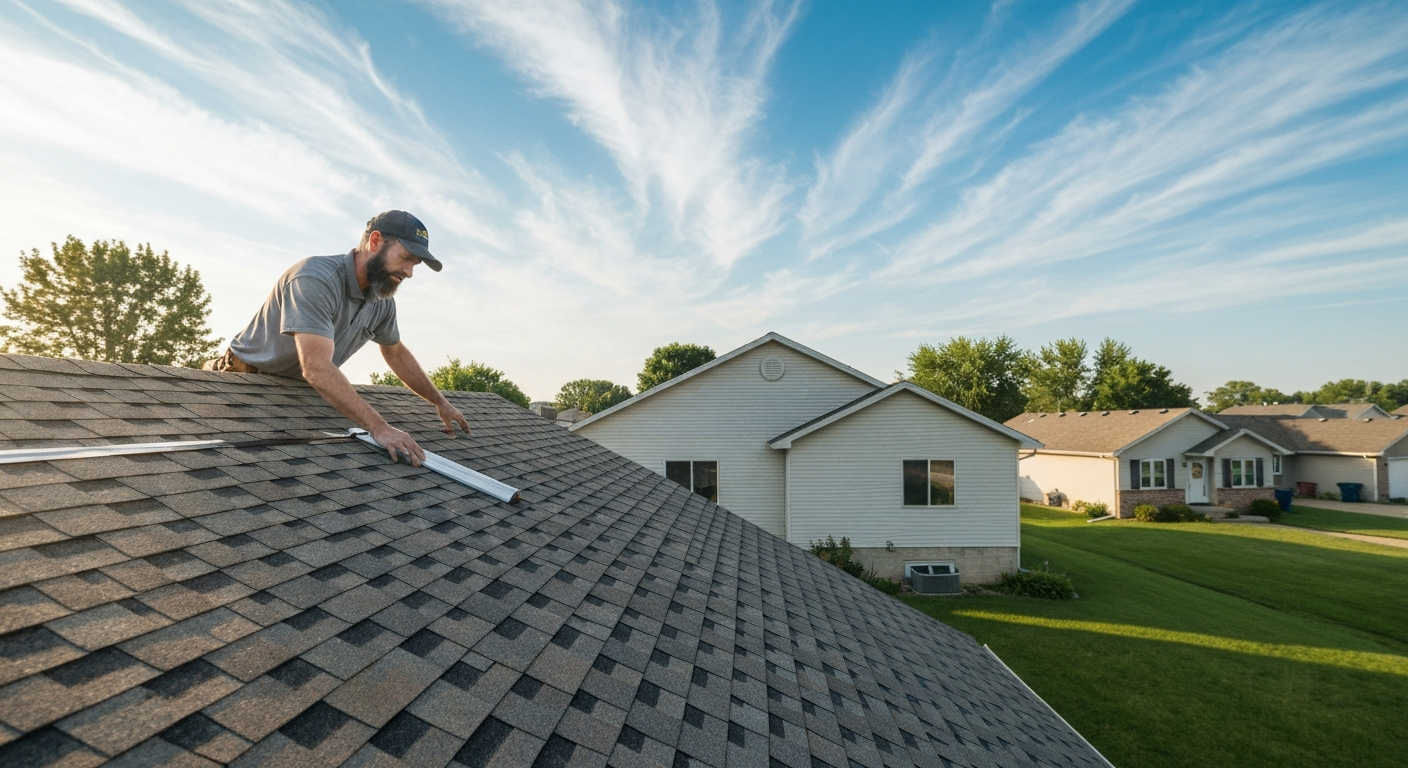
Summer Checklist
- • Inspect for hail damage after storms
- • Inspect for wind-lifted shingles
- • Inspect attic ventilation
- • Trim overhanging tree branches
- • Inspect gutters after heavy downpours
Navigating Storm Season
Minnesota summers bring intense heat, high humidity, and severe thunderstorms. This is prime hail season. Hail impacts bruise shingles and dislodge protective granules, leaving the asphalt mat exposed to UV rays. Wind can break the sealant bond on your shingles. Often, storm damage is hidden from ground view, making professional post-storm inspections critical.
Fall Roof Maintenance Checklist

Fall Checklist
- • Remove leaves and roof debris
- • Clean gutters and downspouts
- • Inspect pipe boots and flashing
- • Trim dead or weak branches
- • Prepare the roof for heavy snow loads
Winter Preparation
Fall is the most critical time to prepare your home for the harsh Minnesota winter. Clearing your gutters of autumn leaves ensures that melting snow can drain properly, drastically reducing the risk of destructive ice dams. Proper fall preparation minimizes winter roofing issues and extends the lifespan of your entire exterior system.
Winter Roof Maintenance Checklist
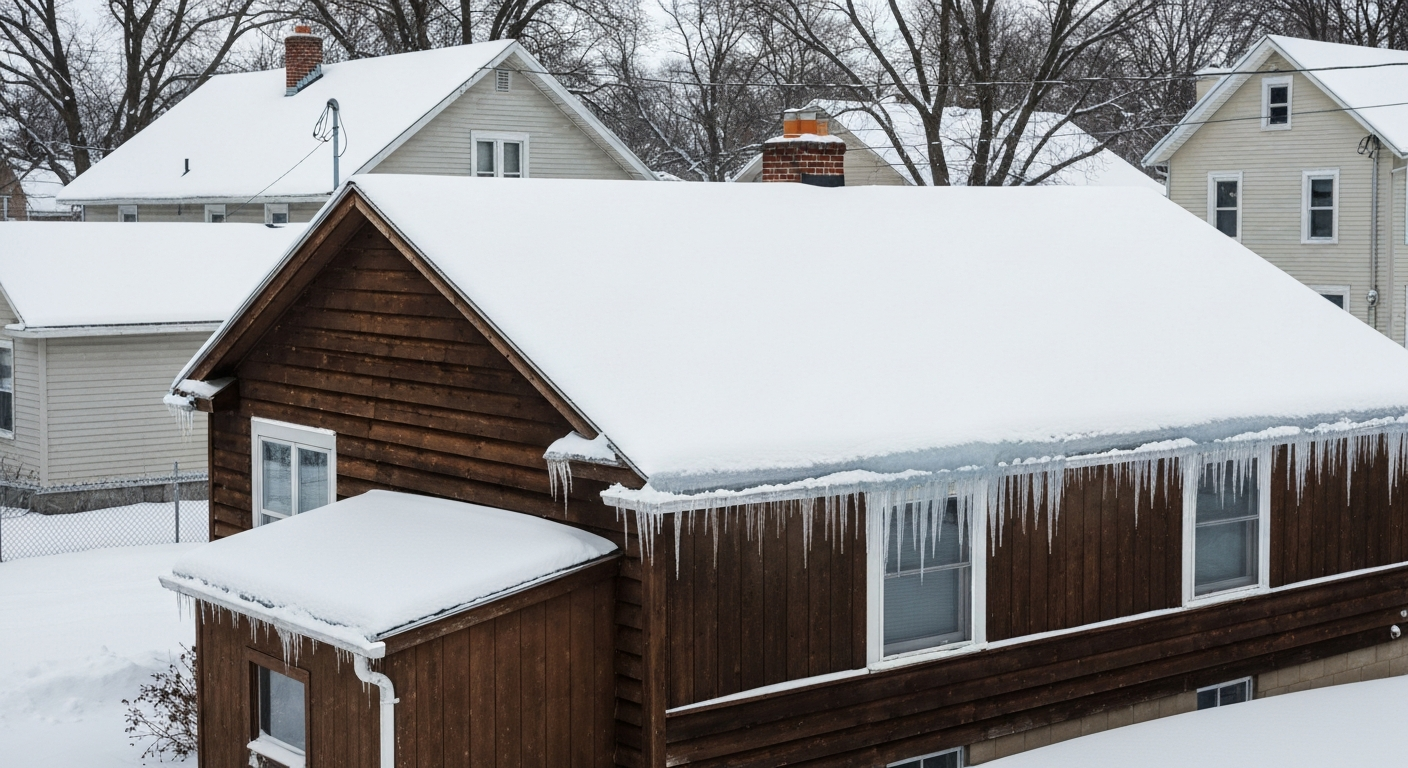
Winter Checklist
- • Monitor eaves for ice dams
- • Monitor attic for heat loss
- • Inspect interior ceilings for stains
- • Watch for condensation or moisture
- • Monitor heavy snow buildup
Managing Ice Dams
Ice dams are a major issue for Twin Cities homeowners. They form when poor attic ventilation and inadequate insulation allow heat to escape, melting the snow on the roof. This water refreezes at the colder eaves, pushing water under your shingles and into your home. Monitoring your roof during winter is essential to catching these issues early.
Warning Signs Homeowners Should Never Ignore
Catching roofing problems early can save you thousands in structural repairs. If you notice any of these warning signs, it's time to call an experienced Minnesota roofing specialist.
DIY vs Professional Inspection Guidance
While regular homeowner maintenance is important, safety should always be the priority. Homeowners should limit their inspections to visual checks from the ground using binoculars, or safely clearing low-hanging gutters.
You should never climb onto your roof to inspect for storm damage or clear snow.
Professional contractors have the safety equipment, training, and trained eye to spot hidden damage, assess ventilation issues, and provide an accurate evaluation of your exterior systems. If you suspect damage or your roof is aging, schedule a free professional inspection.
Frequently Asked Questions
CM Roofing LLC helps Minneapolis and Twin Cities homeowners protect their roofs year-round with seasonal maintenance guidance built for Minnesota weather.
What seasonal roof maintenance matters most for Minnesota homeowners?
Not sure where to focus your attention throughout the year? A spring inspection right after the winter freeze-thaw cycle catches ice dam damage and lifted shingles before summer storms make things worse. Keeping gutters clear year-round prevents the backup that contributes to ice dams in the first place, and a fall check before winter sets in is worth adding if your roof is older.
How do I know if my roof survived a Minnesota winter without damage?
Assuming no obvious problems means everything's fine? Not necessarily. Check for granule buildup in your gutters, shingles that look curled or lifted at the edges, and icicles forming along the entire eave line rather than just at downspouts, which specifically points to ice dam activity. A professional inspection catches issues that aren't visible from the ground.
Can I do my own roof maintenance or do I need a professional for everything?
Wondering what's safe to handle yourself versus what needs a pro? Clearing debris from gutters and doing a visual check from the ground for obvious damage are reasonable DIY tasks. Anything involving getting on the roof itself, assessing flashing condition, or checking for hidden moisture is better left to a professional who knows what subtle warning signs actually look like.
How do gutters connect to roof health in Minnesota?
Thinking of gutters as a separate system from your roof? They're not. Clogged or damaged gutters cause water to back up under the roof edge, which directly contributes to ice dam formation in winter. Keeping gutters clear is really part of protecting your roof, not a separate maintenance task.
What is the biggest maintenance mistake Minnesota homeowners make?
Curious what actually causes the most damage over time? Skipping the annual inspection until there's already a visible problem. Small issues like a lifted shingle or a minor flashing gap are cheap and easy to fix early, but left unchecked for a full year or more, they tend to turn into a full repair or premature replacement instead.
Helpful Links & Resources:
