Real Roofing Questions
Minnesota Homeowners Actually Ask
Expert answers from CM Roofing LLC covering roof replacement, winter roofing issues, storm damage, insurance questions, materials, gutters, siding, financing and long-term home protection throughout Minneapolis and Twin Cities communities.
Roof Damage & Replacement
Understanding when to repair, when to replace, and the hidden costs of waiting too long.
How do I know if my roof needs repair or full replacement?
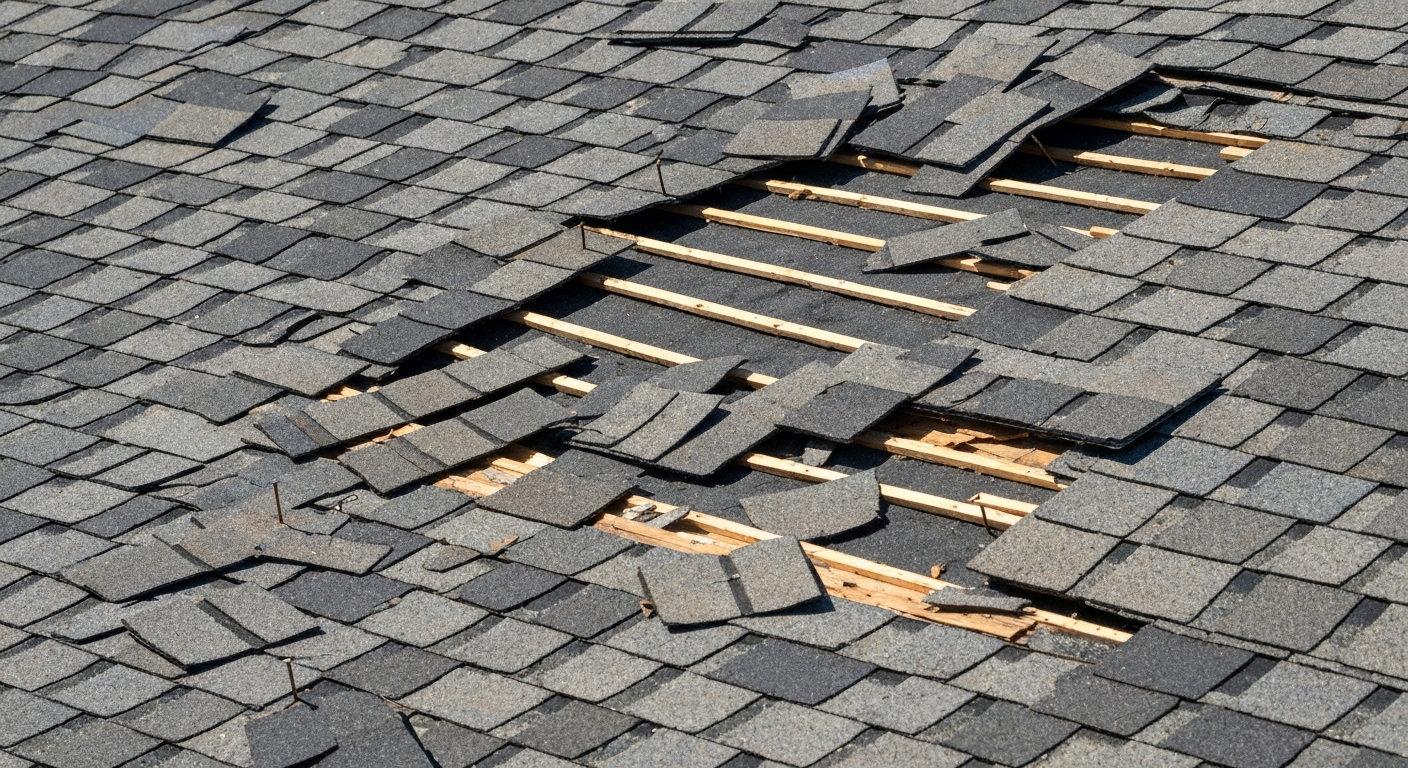
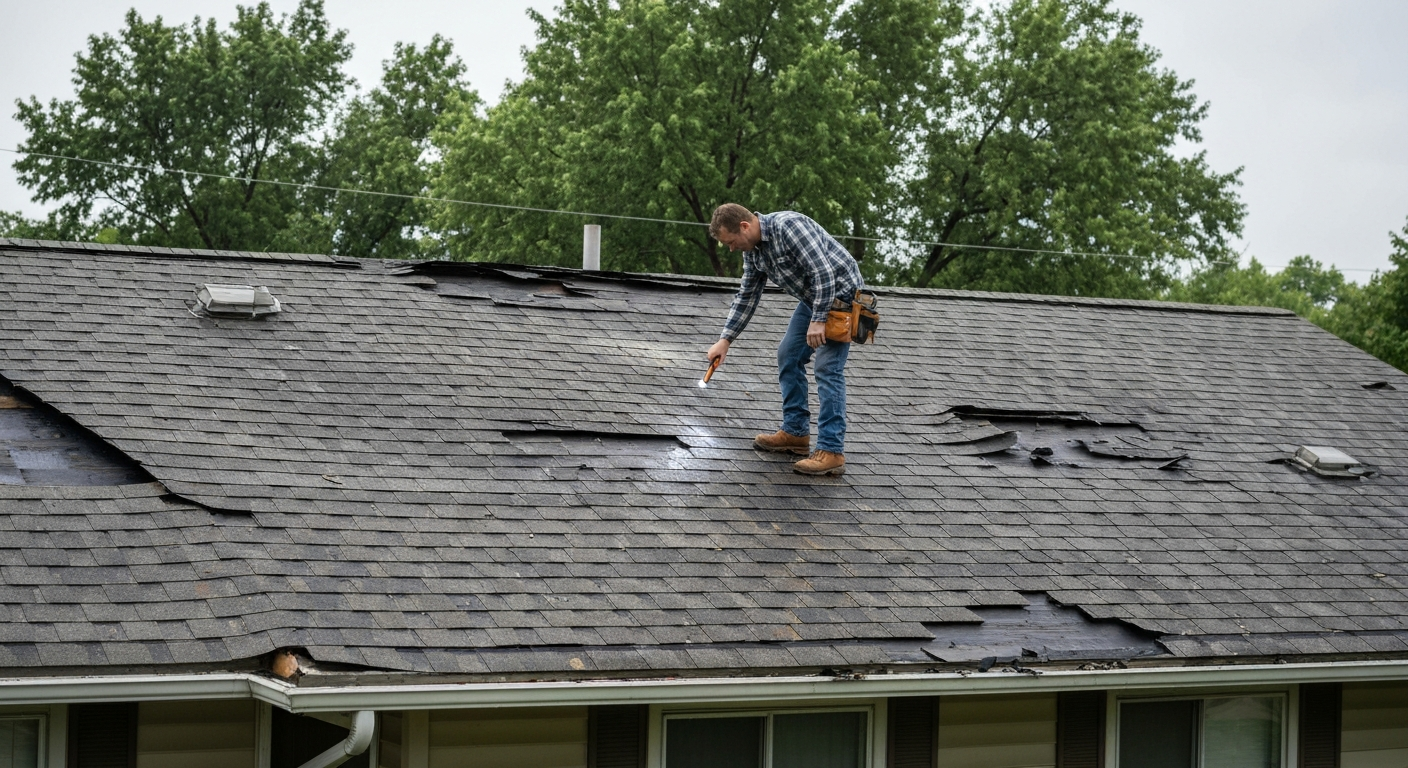
A roof repair makes sense when the problem is contained: a handful of missing shingles, one flashing failure, or a single active leak that hasn't spread into the decking. A full roof replacement is the better call once your roof is past 15-20 years old, has widespread granule loss, curling or cracked shingles, or multiple leaks in different areas. The only way to know which situation you're in is a free inspection with a written assessment and photos, so you see exactly what's there before deciding.
What roof problems become expensive if homeowners wait too long?
A missing shingle or a small leak rarely stays small. Left alone, water works into the roof decking, soaks attic insulation, grows mold in enclosed spaces, and eventually shows up as a stain on your ceiling or wall. At that point what would have been a straightforward roof repair turns into decking replacement, insulation removal, and interior drywall work. A maintenance check on a regular basis catches this kind of thing while it's still small.
Can a small roof leak create larger problems behind walls or in attic spaces?
Yes, and often the roof itself isn't where you'll notice it first. Water follows the path of least resistance, traveling along rafters, soaking into attic insulation, and running down inside wall cavities long before it ever shows up as a ceiling stain. That hidden moisture is exactly what structural wood rot and mold need to take hold. If you suspect a leak, get it inspected right away rather than waiting for visible proof.
How long should a roof realistically last in Minnesota weather?
A standard architectural asphalt shingle roof in Minnesota typically lasts 15 to 25 years, but that range assumes good conditions. Severe hailstorms, heavy snow loads, ice dams, and repeated freeze-thaw cycles all cut into that lifespan. Proper attic ventilation and professional installation by a licensed Minnesota contractor are what get a roof to the upper end of that range instead of the lower end. Regular maintenance checks help catch age-related wear early, before it turns into a surprise failure or an unplanned full replacement.
Minnesota Winter Roofing
Protecting your home from ice dams, heavy snow loads, and destructive freeze-thaw cycles.
What causes ice dams on Minnesota homes?
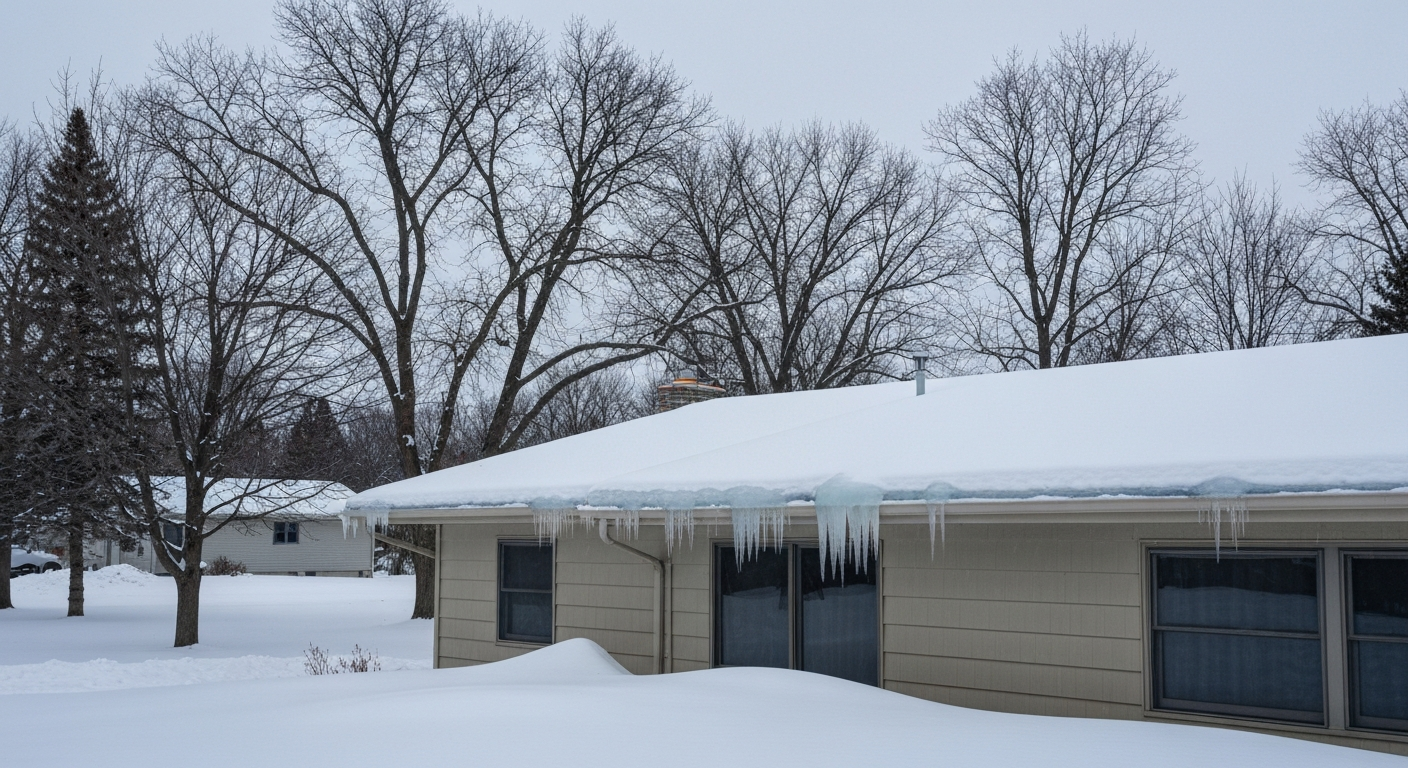
Ice dams form when heat escapes from your living space into the attic and melts snow on the upper roof. That meltwater runs down to the colder eaves and refreezes, building a ridge of ice. As more snow melts, water pools behind that ridge and backs up under the shingles, where it can leak into the attic and walls. The root cause is almost always uneven roof temperature from poor attic insulation or inadequate ventilation, not the shingles themselves. A maintenance check before winter is the best way to catch these risk factors early.
Can heavy snow damage roofing systems?
Yes. Minnesota roofs are built to handle normal snow loads, but repeated storms stacking snow on top of snow can stress the structural framing, especially on older homes or low-slope sections. Heavy accumulation also blocks ventilation at the ridge and eaves, trapping heat and moisture underneath, which makes ice dam formation worse. If you notice deep pooling in a valley or any bowing in a ceiling, that's worth a professional inspection before it becomes a structural issue rather than just a roofing one.
Why do Minnesota freeze and thaw cycles damage roofs?
Water expands when it freezes. During a Minnesota winter, daytime warmth melts snow and sends water into small cracks, under shingle edges, and around flashing. Overnight, that water refreezes and expands, prying materials apart a little more each cycle. Repeat that over a full winter and sealants fail, shingles lift, and new leak paths open up that weren't there in the fall. This is exactly why a spring inspection matters, even if nothing looks obviously wrong from the ground.
Can poor attic ventilation shorten roof life?
Yes, and it's one of the most common causes of early roof failure that homeowners never think to check. Poor ventilation traps heat and moisture in the attic. In summer, that trapped heat bakes shingles from underneath, causing premature aging and granule loss. In winter, it melts snow unevenly and directly causes ice dams, while trapped moisture condenses on the cold decking and leads to mold and wood rot. A roof over a poorly ventilated attic can fail years before its rated lifespan, sometimes requiring a full replacement sooner than it should have.
Storm Damage & Insurance
Navigating hail damage, wind storms, and the homeowners insurance claim process.
Need Claim Assistance?
CM Roofing LLC helps homeowners document damage properly to support their claims.
Get Claim HelpWill insurance cover hail or wind damage in Minnesota?
Most homeowners policies cover roof damage from sudden, accidental events like hail or wind, but exactly how much depends on your policy, your deductible, and how well the damage is documented. A thorough storm inspection with photos before the adjuster arrives makes a real difference in the outcome. CM Roofing provides insurance claims assistance to help document damage properly, and our insurance claims guide walks through what to expect at each stage of the process.
What should homeowners do immediately after hail damage?
First, make sure everyone's safe, and document any visible damage from the ground with your phone rather than climbing onto the roof yourself. Then schedule a professional storm inspection as soon as possible, ideally within a few days while the damage is still clearly tied to that specific storm. A qualified contractor will assess the full extent of it, provide photos, and tell you honestly whether it's worth filing a claim or whether a repair is enough.
What happens if insurance only pays for part of a roofing project?
If the adjuster only approves partial repairs but the roof is old or a patch won't match, you can choose to pay the difference for a full roof replacement. Financing through Wisetack can bridge that gap between the insurance payout and the total cost, so you're not stuck with a mismatched patch that fails again in a few years. If the initial scope seems to miss damage you can clearly see, our insurance claims guide covers how to request a second look.
How long do roofing insurance claims usually take?
Timelines vary by insurer and workload, but it typically takes 2 to 4 weeks from filing to receiving the initial summary of loss from the adjuster. Having a licensed contractor involved from the first inspection helps make sure everything gets documented and nothing is left off the adjuster's scope. Our insurance claims guide breaks down filing deadlines, adjuster visits, and what to do if the first estimate comes in low.
Materials, Gutters & Siding
Choosing the right exterior products to protect your home's foundation and structure.
Do impact resistant shingles actually help during Minnesota hail season?
Yes. Class 4 impact-resistant shingles use a rubberized polymer that lets them flex instead of cracking when hail hits. No shingle is completely hail-proof, but Class 4 shingles meaningfully cut down on the granule loss and fracturing that turns a hailstorm into a full roof replacement. Many insurance carriers also offer premium discounts for homes with them installed, which can offset the higher upfront cost, something worth asking about when you get a quote.
What roofing materials perform best during Minnesota winters?
High-quality architectural asphalt shingles with strong wind ratings and reinforced adhesive strips hold up well across Minnesota winters, but the shingle is only part of the system. Proper ice and water shield underlayment at the eaves and valleys, correct flashing around chimneys and penetrations, and balanced attic ventilation all matter as much. A premium shingle installed over a poorly prepared roof deck will still fail early, which is why every roof replacement we do treats the whole system, not just the shingles.
Should gutters be replaced during roof replacement?
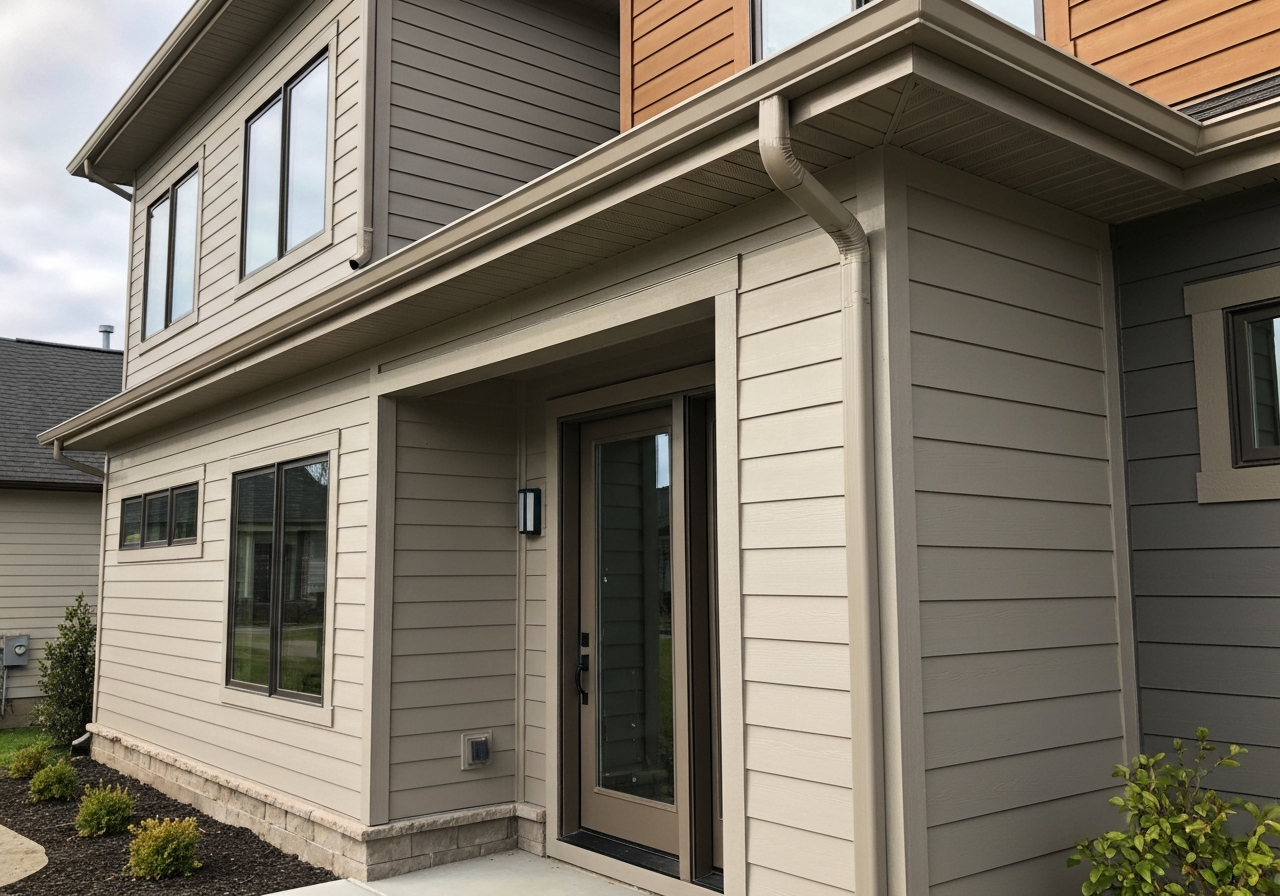
If your gutters are heavily dented, sagging, pulling away from the fascia, or showing rust, it makes sense to replace them alongside the roof. Doing both at once means the new drip edge and gutters work together correctly to direct water away from the foundation, and you avoid paying for two separate service calls. If the gutters are still solid, they can usually stay as-is.
Can damaged siding create moisture problems around a home?
Yes. Cracked, loose, or missing siding lets rain and melting snow get behind the exterior surface, where it becomes trapped against the house wrap and sheathing. That trapped moisture leads to wood rot in the wall studs, damaged insulation, and eventually mold inside the wall cavity. A solid roof doesn't protect the walls if the siding underneath it is failing, so damaged panels are worth a repair or replacement before water finds its way in.
Cost, Financing & Home Value
Understanding the investment of a new roof and flexible payment options.
Can homeowners finance roof replacement projects?
Yes. Financing through Wisetack lets you handle urgent roofing work right away and spread the cost into manageable monthly payments instead of delaying a project that only gets more expensive the longer it waits. This is especially useful when storm damage needs fast repair or when an insurance payout doesn't cover the full scope of a replacement. Use our cost calculator to get a sense of the numbers first.
Should homeowners use savings or financing for major roofing work?
It depends on your situation. Many homeowners prefer financing to keep emergency savings intact rather than draining a reserve they might need elsewhere. Financing also gives you flexibility when the cost is unexpected, like storm damage that exceeds the insurance payout or a high deductible. The right choice is whichever one gets the roof fixed promptly without creating financial strain somewhere else.
Are tax incentives or energy credits available for roofing improvements?
Certain energy-efficient roofing materials and insulation upgrades done alongside a roofing project may qualify for federal tax credits or local utility rebates. Eligibility depends on the specific materials, your location, and current program rules, which change over time, so it's worth checking with your tax advisor and utility provider before the project starts. Our roof cost calculator can give you a base project estimate before factoring in any credits.
Does replacing a roof increase home value?
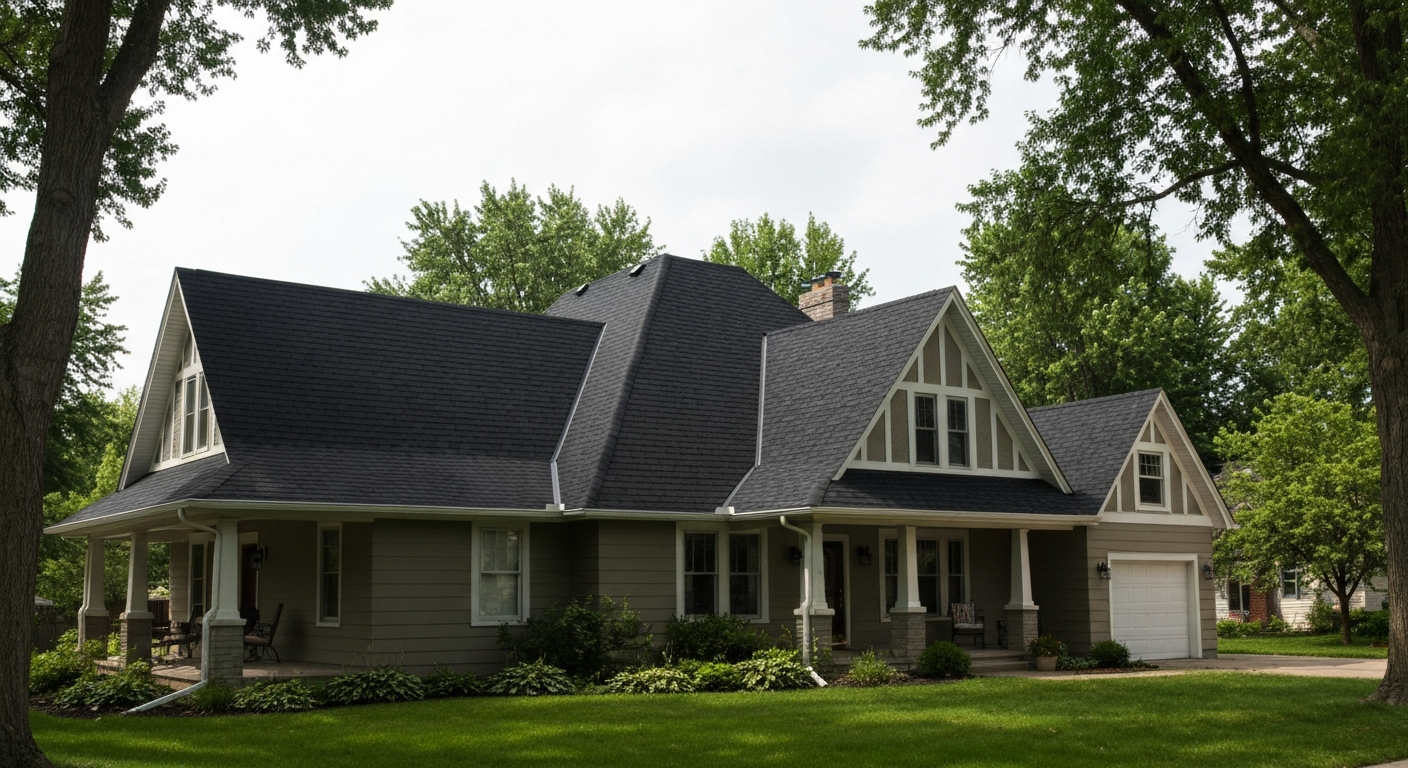
Yes. A new roof is one of the highest-return exterior improvements a homeowner can make. It boosts curb appeal, gives buyers confidence the home is protected, and prevents a failed inspection from derailing a sale. A failing or aging roof is one of the biggest red flags for buyers and often becomes a negotiating point that costs more than the roof itself would have. If you're planning to sell, a free inspection now tells you where you stand before you list.