
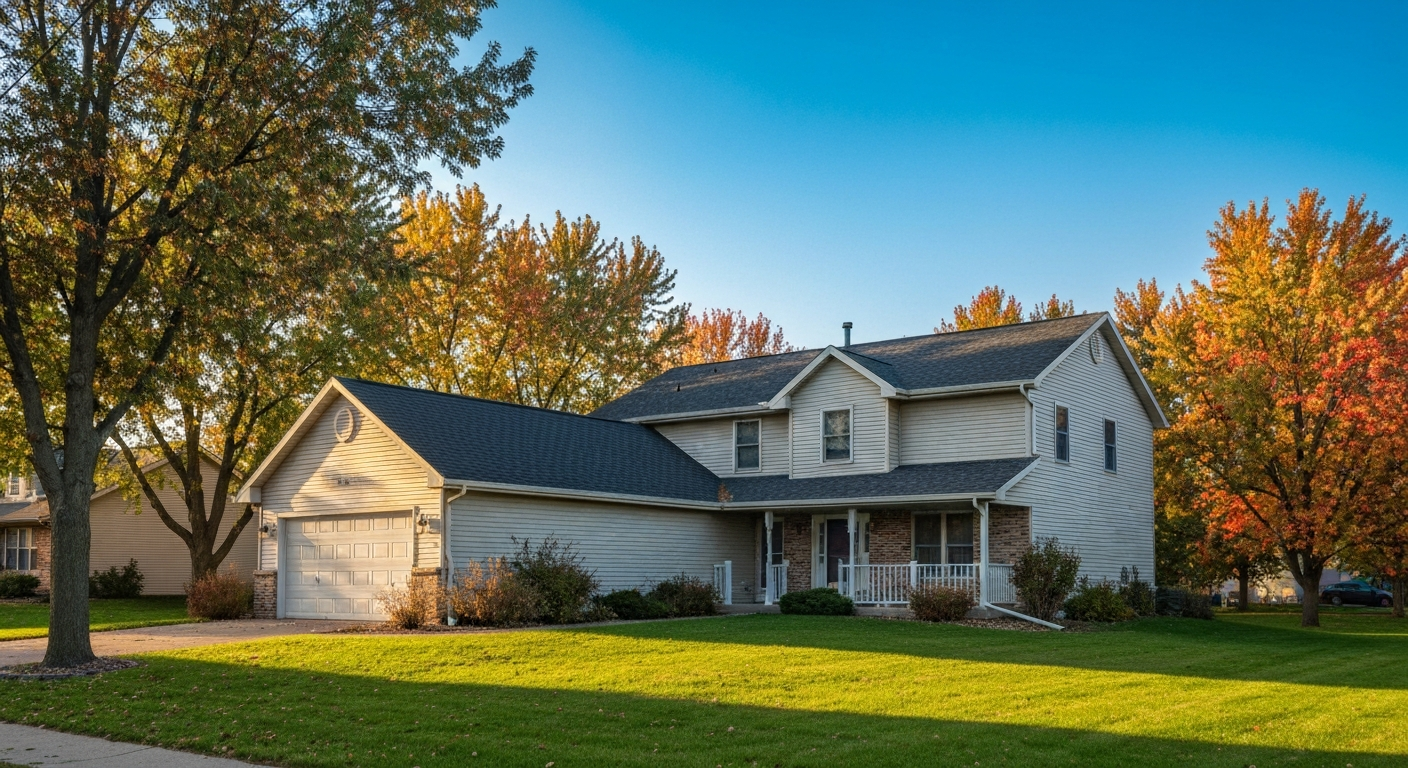
Bloomington Homeowners, Get Your Roof Inspected Before the Next Storm Hits
Helping Bloomington homeowners with roof repair, roof replacement, storm restoration, siding, and exterior services.
Why Homeowners Choose CM Roofing
Delivering premium craftsmanship and clear communication across Bloomington.
Straight Answers
We only recommend the repairs you actually need.
Local Expertise
Licensed Minnesota roofing contractor since 2018.
Clear Communication
You're informed at every step of the process.
Quality Materials
Premium shingles and expert installation.
Minnesota Licensed & Insured
CM Roofing LLC is a licensed Minnesota contractor serving homeowners throughout the Twin Cities with trusted craftsmanship and dependable service.
License # CR807082
About CM Roofing in Bloomington
From the bustling neighborhoods near the Mall of America to the quiet, tree-lined streets near Hyland Lake Park Reserve, Bloomington homes face diverse roofing challenges.
If you live in Normandale or West Bloomington, CM Roofing LLC provides the premium craftsmanship this community expects. We understand that your home is your most significant investment, and we protect it with materials and techniques built specifically for the seasonal extremes of Minnesota.
- Expertise in mature neighborhoods with heavy tree coverage
- Fast response times for storm damage near Mall of America
- Specialized knowledge of Normandale housing styles
- Premium solutions for Hyland Lake area homes
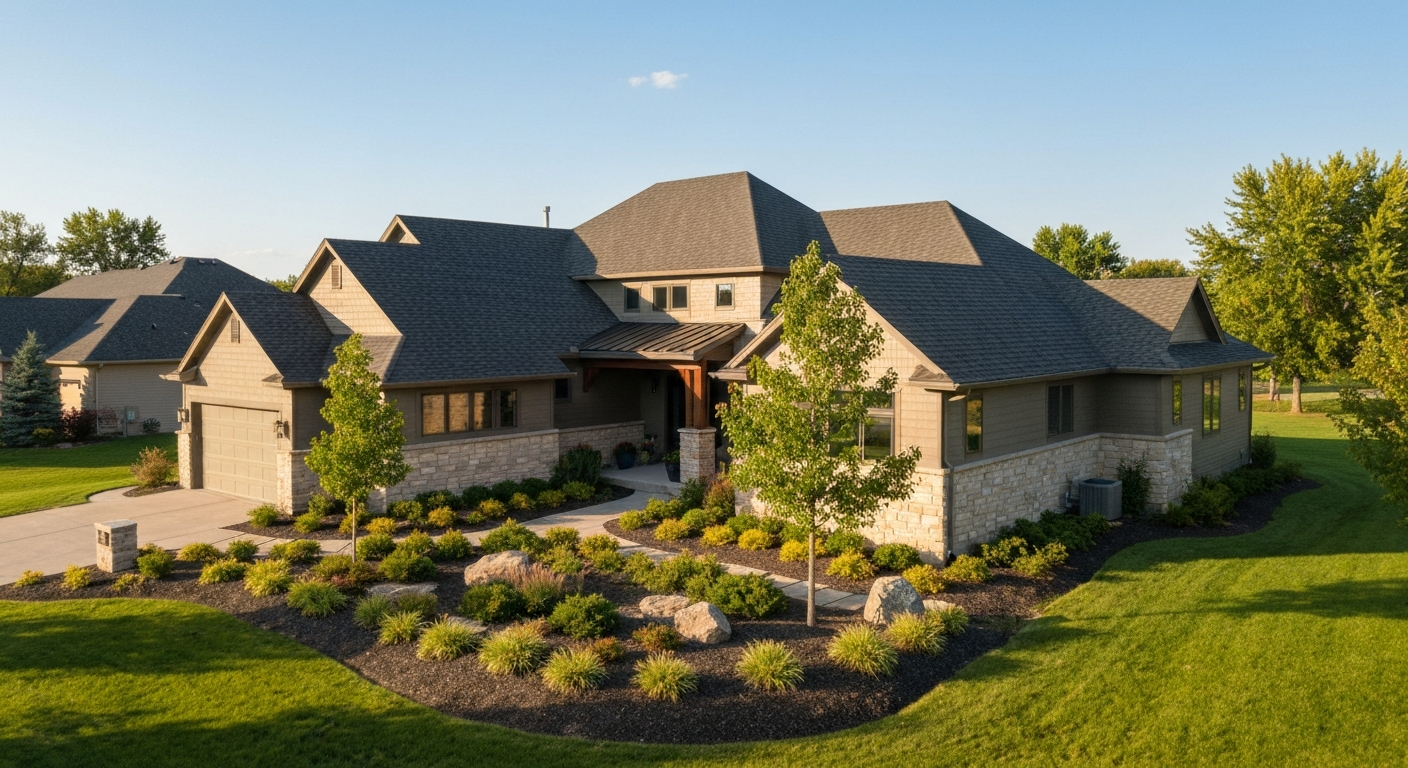
Serving
Bloomington, MN
Roofing Services for Bloomington Homeowners
Comprehensive exterior solutions designed to withstand the Minnesota elements.
Roof Replacement
Full tear-offs and premium shingle installations using the highest quality materials.
Learn MoreStorm Damage Restoration
Expert hail and wind damage assessment specifically for Bloomington's weather.
Learn MoreInsurance Claims Assistance
We guide you through the complex insurance process to ensure proper restoration.
Learn More
Minnesota Weather Experts
Protecting homes from severe storms and harsh winters.
Bloomington Roofs Built for Minnesota Weather
Minnesota snow, hail, and high winds are relentless. Whether it's heavy ice dams forming during winter or severe thunderstorms sweeping through in the summer, your roof is your first line of defense.
Frequently Asked Questions
Answers to common roofing questions from Bloomington homeowners.
What roof problems are most common in Bloomington after winter?
Noticing something seems off after a hard winter but not sure what to look for? The most common post-winter issues are ice dam damage along the eaves, shingles lifted or cracked from repeated freeze-thaw cycles, and flashing that's pulled away around chimneys and vents. A spring inspection catches all three before they turn into an active leak.
How often should Bloomington homeowners schedule roof inspections?
Not sure how often is actually necessary versus overkill? An annual inspection, ideally in spring after the winter freeze-thaw cycle has run its course, is enough for most homes. If your roof is older or you've had recent storm activity in the area, a second check in fall before winter sets in is worth adding.
Can tree coverage affect roof lifespan in Bloomington neighborhoods?
Wondering if the mature trees on your property are actually a liability? Yes. Heavy tree canopy keeps shaded roof sections damp longer than sun-exposed areas, which accelerates algae and moss growth and speeds up granule loss in those spots. Overhanging branches also cause physical wear from constant rubbing during wind.
What warning signs indicate roof repairs may be needed?
Not sure if what you're seeing is worth a call? Watch for granule buildup in gutters, shingles that look curled or cracked, daylight visible through the attic roof boards, and any water stains on ceilings or interior walls. Catching any of these early usually means a repair instead of a full replacement.
Can ice dams cause mold problems in Bloomington homes?
Smelling something musty after a snowy winter? Yes. Ice dams force water under shingles and into the attic space, where it can sit in insulation and wood framing for weeks without being noticed. Mold can establish within 24 to 48 hours of that kind of sustained moisture, so a post-winter inspection is the most reliable way to catch it before it becomes a bigger problem.
Common Bloomington Roofing Problems
Why does my roof leak near the chimney but not anywhere else?
Chimney flashing is a common failure point on Bloomington homes because the metal seal where the chimney meets the roof deck expands and contracts differently than the surrounding shingles through Minnesota's freeze-thaw cycles. Over years that movement works the seal loose, especially on homes built before modern step-flashing methods became standard. A leak isolated to one spot near a chimney is almost always a flashing issue rather than a sign the whole roof needs replacing.
How do I know if wind damage from a recent storm is serious enough to call about?
Wind damage often shows up as shingles that are lifted, creased, or completely missing along roof edges and ridges, since wind uplift concentrates force at those transition points first. Bloomington's open areas near Hyland Lake Park Reserve and along the Minnesota River bluffs see stronger sustained wind during storm fronts than more sheltered neighborhoods. Even a handful of missing shingles exposes the underlayment to water, so it is worth a call even if the rest of the roof looks intact from the ground.
Why do my gutters keep pulling away from the house?
Gutters separate from the fascia board when ice buildup during winter adds weight the hangers were not designed to hold, or when the fascia itself has started to rot from long-term moisture exposure. On older Bloomington homes, original gutter hanger spacing was often built to a lighter snow load standard than what the roof actually sees most winters now. Reattaching gutters without addressing the underlying fascia condition usually just delays the same problem.
What causes granule loss on shingles that are only a few years old?
Excess granule loss on a newer roof usually points to either manufacturing inconsistency in that shingle batch, foot traffic from an earlier repair or inspection, or hail impact that is not yet showing as a visible crack. Bloomington sits inside an active spring and summer hail corridor, so even shingles installed within the last five years can show accelerated wear if a storm passed through that was never inspected. Granules collecting in gutters or at downspout outlets is the clearest early sign.
Does the flat or low-slope section over my garage need different maintenance?
Many Bloomington homes have an attached garage with a lower-slope or nearly flat roof section that drains differently than the steeper main roof and is more prone to ponding water after heavy rain. These sections typically use a different roofing material, like modified bitumen or a rolled membrane, than the asphalt shingles on the main house, and they need their own inspection since problems here do not always show up in a standard roof check. Standing water for more than 24 to 48 hours after a storm is a sign the drainage or membrane needs attention.
What Homeowners Say About CM Roofing
Reviews From Our Customers
"Very professional, clean and finished on time"
"Carlos and his team were very professional, clean and finished the job on time. We were very satisfied!"
— Michael Medina
"Installed gutter guards with no charge"
"The job is done within couple weeks and follow up quickly. Even installed gutter guards with no charge. I really recommend for their service."
— Mit Mit
"A reasonable price"
"Very professional job at a reasonable price! Would not hesitate to recommend Carlos and his crew!"
— Tim Wilhelmson
Let's Get Your Bloomington Roof Sorted
Arrange a free roof inspection with a contractor who works Bloomington neighborhoods.