
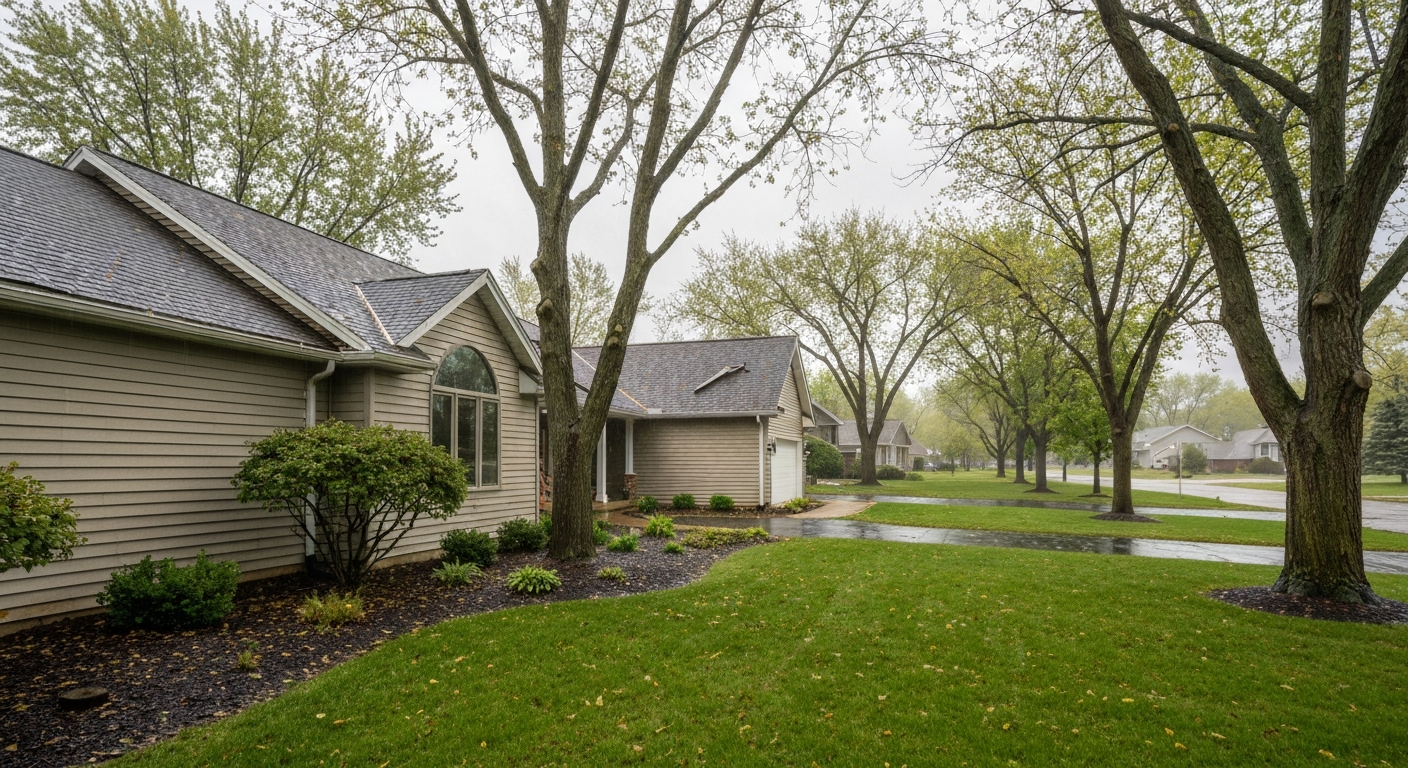
Free Storm Inspections & Estimates
Not all storm damage is visible from the ground. CM Roofing helps Minnesota homeowners identify roof, siding and gutter damage after severe weather and provides clear recommendations before small problems become larger repairs.
Signs You Should Schedule A Storm Inspection
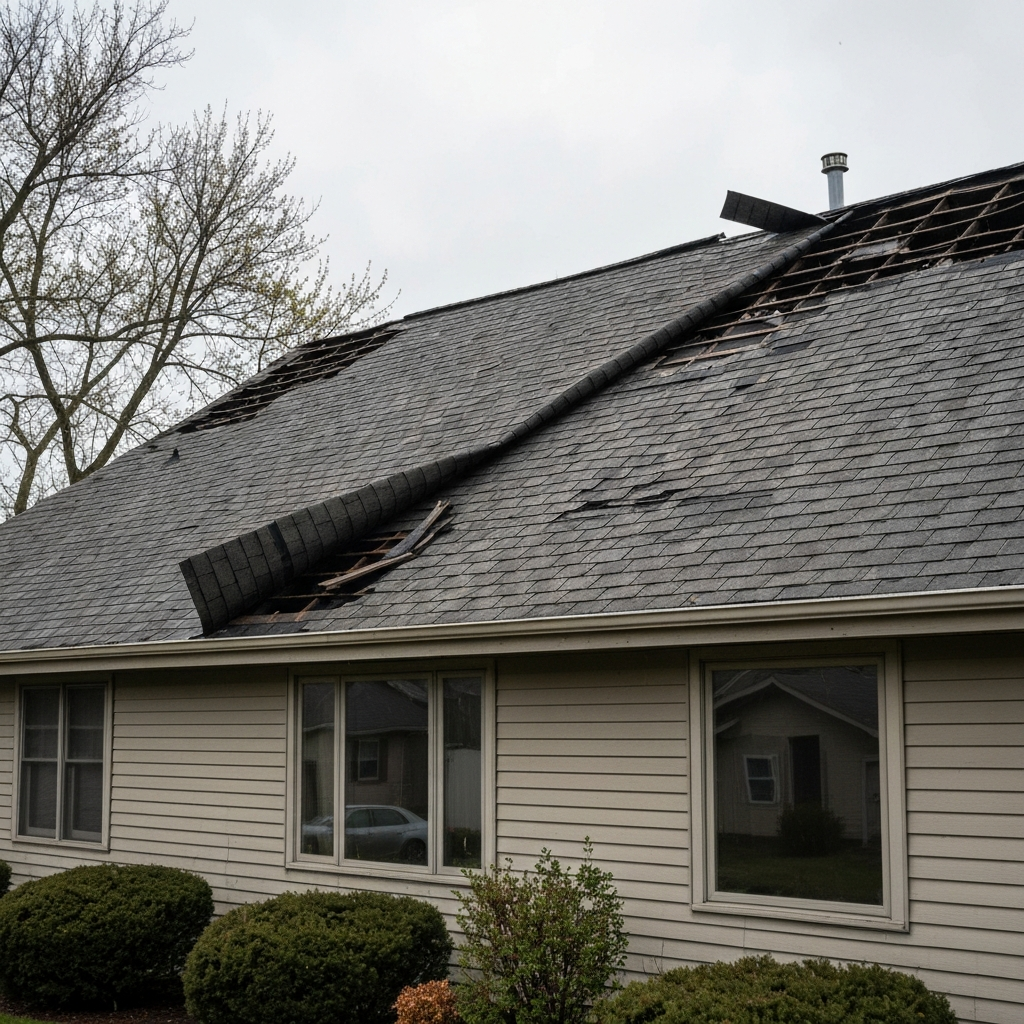
Severe weather in Minnesota can cause significant damage to your home's exterior that isn't always obvious. If you've recently experienced a major storm, it's crucial to have a professional evaluate your property. Look out for missing or lifted shingles, visible hail impacts on your roof or gutters, and any new siding damage. Even if your home looks fine, if your neighbors are getting roof work done, there's a high chance your home sustained damage as well.
- Missing or lifted shingles
- Visible hail impacts
- Damaged gutters or downspouts
- Siding damage or cracks
- Neighbors getting roof work done

What CM Roofing Looks For
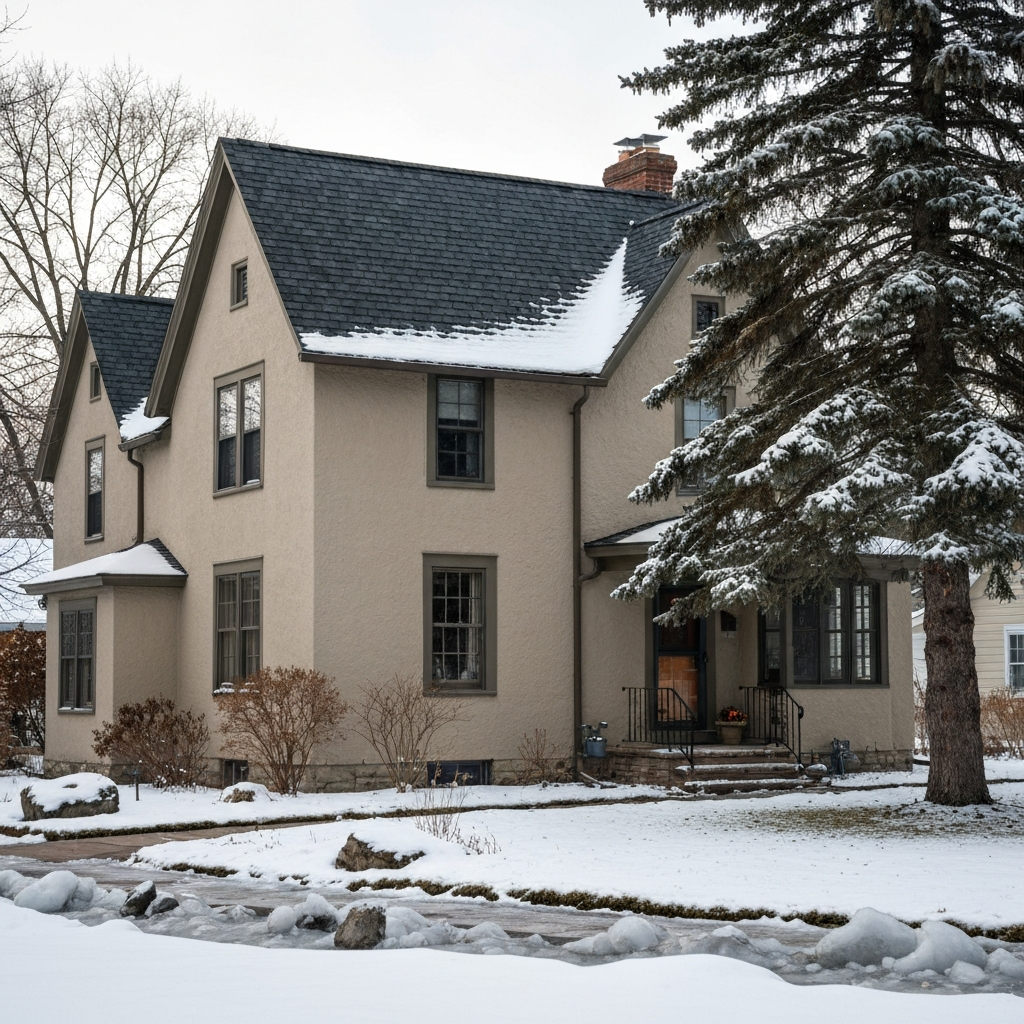
During a comprehensive storm inspection, our team evaluates your entire exterior system. We start with the roof, checking for compromised shingles, damaged flashing, and hidden moisture concerns. We also thoroughly inspect your siding and gutters for storm-related exterior damage that could lead to water intrusion. Identifying all affected areas ensures nothing is missed.
Schedule Free InspectionHow CM Roofing Helps Homeowners
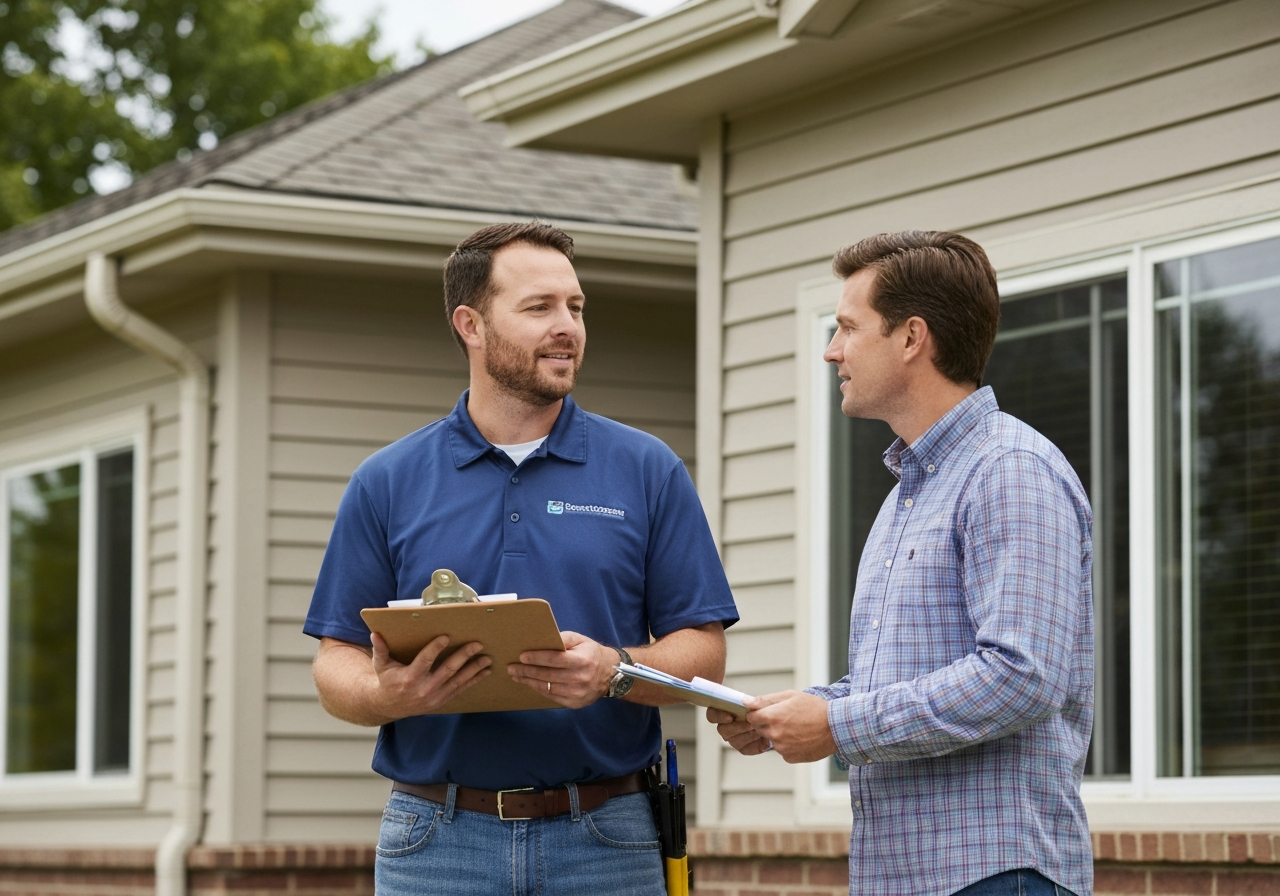
Carlos Morocho started CM Roofing LLC in 2018 and still personally oversees every inspection. When he walks your property after a storm, you are getting a licensed Minnesota contractor -- license CR807082 -- with nearly a decade of Twin Cities roofing experience, not a salesperson running a checklist. CM Roofing is BBB Accredited with an A+ rating because Carlos built the company on straight answers. If your roof is fine, he will tell you. If there is damage worth filing on, he will explain exactly what that process looks like and what to expect at every step.
Hidden Damage We Commonly Find
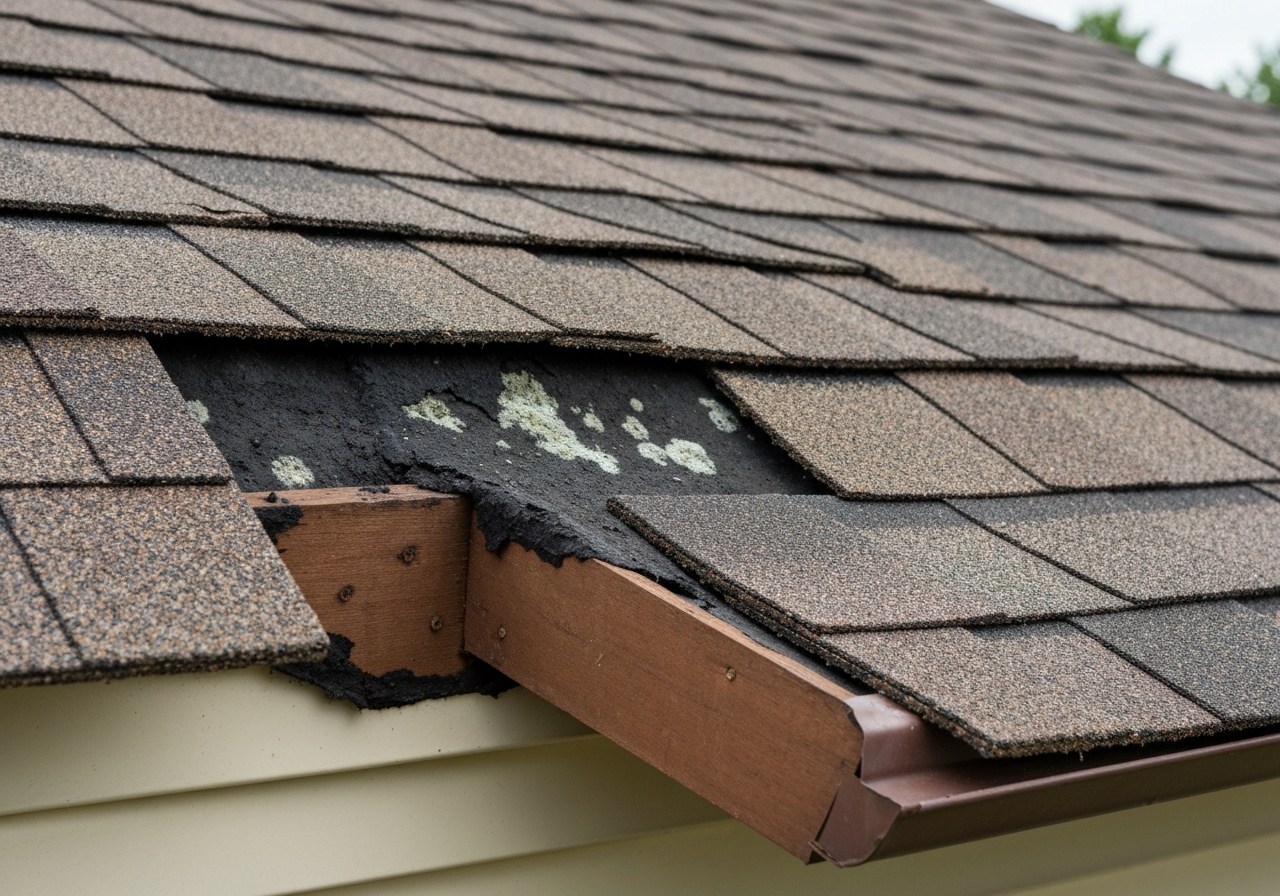
Some of the most severe storm damage isn't visible to the untrained eye. Our detailed inspections frequently uncover bruised shingles, hidden moisture intrusion, fascia damage, and compromised underlayment issues. Catching this unseen storm damage early prevents costly structural repairs down the road.
What Happens After The Inspection
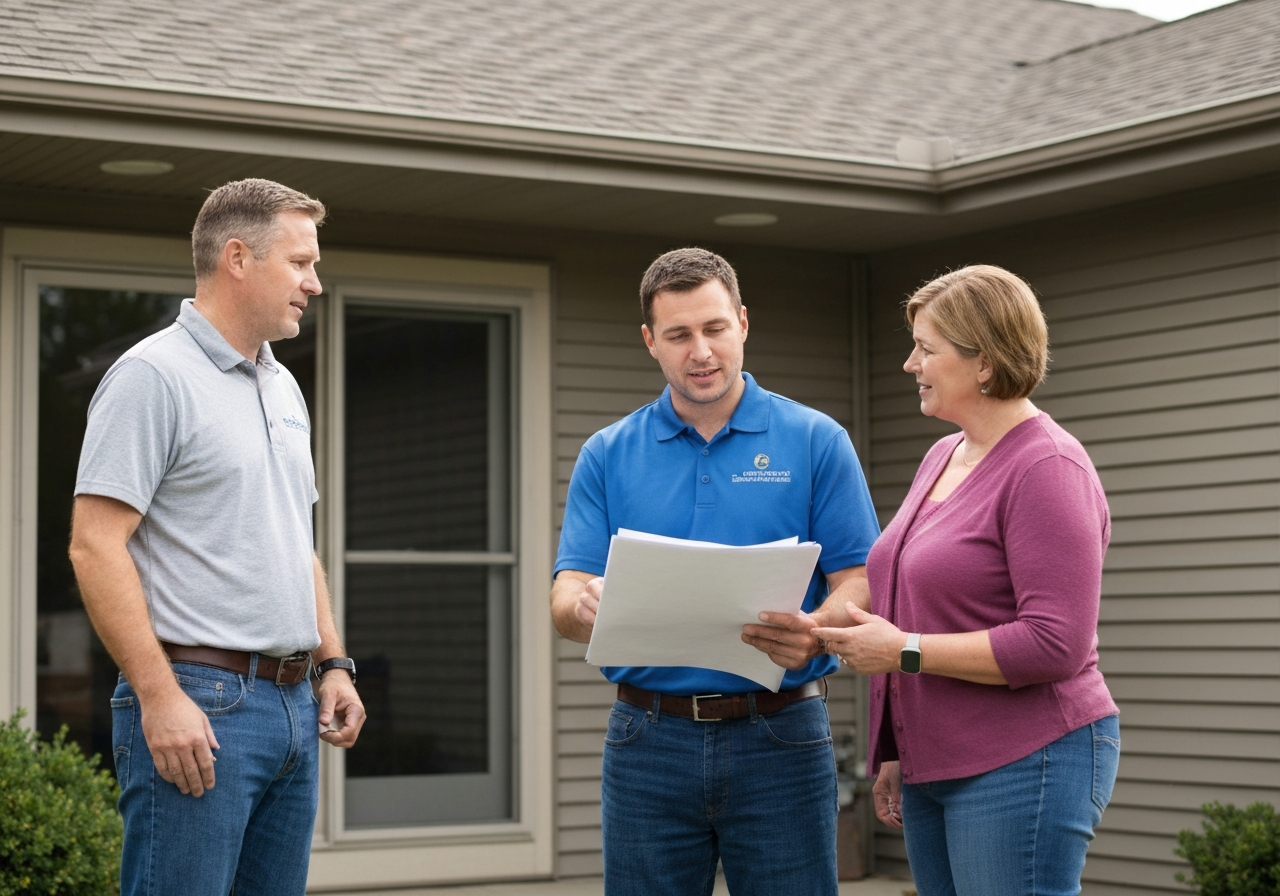
Once the inspection is complete, we sit down with you for a thorough findings review. We provide a detailed free estimate outlining all necessary repair options and recommendations. If the damage warrants an insurance claim, we offer expert guidance to help you understand the process and ensure your home is fully restored.
Common Storm Inspection Questions
How long can I wait after a storm before scheduling an inspection?
Tempted to put it off until you notice an actual problem? Don't wait long. The longer damage sits undocumented, the harder it is to tie it clearly to a specific storm event, and any active leak only gets worse with time. Scheduling within a few days of the storm keeps your documentation strong and catches problems before they spread.
My roof looks fine from the ground. Could I still have storm damage?
Assuming no visible damage means no real damage? That's one of the most common and costly assumptions homeowners make. Hail bruising, cracked underlayment, and lifted shingle edges are often invisible from the ground or even from a casual walk-around. A close-up inspection is the only way to know for sure, and it costs nothing to find out.
Why are my neighbors getting roof replacements but my house looks okay?
Wondering if you got lucky, or if you're just missing something? Hail and wind damage don't always distribute evenly across a neighborhood, but they also don't always show up as obvious visible damage. If storms hit your area, it's worth getting your own roof checked rather than assuming your home was spared.
Can storms damage siding and gutters even if the roof looks okay?
Only thinking about the roof after a storm? Hail and high winds regularly dent gutters, crack siding, and damage window screens even when the roof itself comes through relatively unscathed. A full exterior inspection catches damage across your whole home, not just the roof.
Does CM Roofing pressure me to file a claim or replace my roof after an inspection?
Worried you'll get a hard sell no matter what we find? No. The inspection gives you a straightforward assessment of what's actually there, and you decide what to do with that information. If the damage doesn't warrant a claim or a repair, we'll tell you that too.
Related Services
Once an inspection confirms damage, these are the services most homeowners move into next.
Storm Damage Restoration
If the inspection finds claimable damage, we document it and walk you through the insurance process.
Roof Repair
Isolated damage can often be repaired without a full replacement, saving time and cost.
Roof Replacement
When damage spans multiple slopes or the roof is near end of life, replacement is usually the right call.
